Report

Protecting People and the Planet: Putting People at the Heart of City Climate Action
This report from ICLEI and CDP shares analysis from the data reported through the 2022 CDP-ICLEI track, and highlights the need for people-centered climate action in cities.
Cities are on the front lines of climate change: Already, nearly a third of global cities face climate-related hazards that threaten at least 70% of their population. While much of the scientific analysis and policy debate surrounding climate change can feel abstract, its impacts are real and intensifying. This report from ICLEI and CDP, which runs the global environmental disclosure system for private and public entities, places people at the heart of the climate crisis. In analyzing the data collected from the 998 cities that reported data to the CDP-ICLEI track in 2022, the report highlights present challenges and potential co-benefits, from better public health to more jobs to improved social inclusion, from taking a people-first approach to climate planning, mitigation, and adaptation efforts.
LEARN MORE
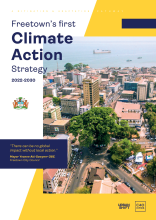
Freetown Climate Action Strategy
Freetown's first attempt toward delivering on its commitment to the Paris Agreement, this strategy presents innovative, evidence-based solutions to help the city adapt to climate risks while strengthening mitigation efforts.

UrbanShift at COP30
UrbanShift will be participating in a range of events during the Local Leaders Forum in Rio and COP30 in Belém. Learn more here.

UrbanShift Looks Back: On the Importance of Facilitating Multi-Level Collaboration
Over the course of the UrbanShift program, ICLEI has led on National-Local Dialogues and other efforts to support enhanced collaboration across levels of government to create more aligned, actionable climate strategies.
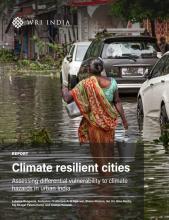
Climate Resilient Cities: Assessing Differential Vulnerability to Climate Hazards in Urban India
The report highlights the need to integrate equity into climate action planning in Indian cities. It examines how socioeconomic inequality and marginalization shape climate risks.
